
Listen to this Blog
Three years ago, I picked up horseback riding as a hobby. As an adult rider working in corporate America who partners with organizations to develop leaders, I couldn’t help but notice the parallels between learning how to ride a horse and learning how to lead people. The same qualities that define effective leadership are the very ones horseback riding demands: emotional intelligence, communication, trust, patience, and resilience.
Here are seven lessons horseback riding has reinforced for me.
1. Leadership Begins with Self-Awareness
Horses are incredibly perceptive animals. They respond not just to physical cues but to a rider’s energy, posture, and emotional state. If a rider feels tense or uncertain, the horse will sense it immediately. Horses respond well to confident riders. For this reason, before engaging with a horse, riders must check in with themselves and ensure they are balanced and confident.
This same principle applies to leadership. Teams pick up on a leader’s tone, mood, and confidence more than the leader may realize. Effective leaders cultivate self-awareness - they recognize how their behavior influences others and intentionally manage their reactions, communication, and presence. Just like in riding, leadership begins with a deep understanding of oneself.
2. Clear Communication Matters
When riding a horse, communication occurs through subtle cues such as weight shifts, gentle rein pressure, leg signals, and verbal commands. If the cues are inconsistent or unclear, the horse becomes confused and may do what it wants or nothing at all.
Leadership works the same way. When expectations are vague or messages are mixed, teams struggle to perform at their best. Strong leaders communicate with clarity and consistency. They set clear expectations and provide direction and signals that guide people toward shared goals. Like horses, people respond best when communication is calm, consistent, and clear.
3. Trust Is Built Through Consistency
A horse will only partner with a rider it trusts. That trust is developed over time through consistent behavior, patience, and care.
Leadership trust works the same way. Teams are more willing to follow leaders who demonstrate reliability and integrity. When leaders show up consistently, keep commitments, and treat people with respect, trust grows naturally. Just as a rider earns the confidence of a horse through steady partnership, leaders earn the confidence of their teams through consistent, dependable, and steady actions.
4. Partnership Is More Effective Than Control
Many new riders initially believe riding is about controlling the horse. Over time, they discover that the best rides happen through partnership. When a rider works with the horse rather than trying to control it, movement becomes smoother, more responsive, and more powerful.
Leadership follows a similar pattern. Command-and-control approaches may achieve short-term compliance, but partnership creates long-term engagement. Great leaders achieve the best results by creating environments where people feel empowered to contribute, think creatively, and take ownership. They guide rather than force. They collaborate rather than dominate.
5. Adaptability Is Essential
Every horse is different. Some are energetic, others calm and steady. More often than not, they will give you a run for your money, but I digress. Skilled riders learn to adapt their approach based on the horse they are working with.
Leaders must do the same. Each team member brings unique strengths, communication styles, motivations, and needs. Effective leaders adjust their leadership style to meet individuals where they are. Flexibility allows leaders to unlock the best in every person.
6. Progress Happens Over Time
Riding is a skill built through repetition and gradual improvement. Riders don’t master balance, timing, and communication overnight. Growth happens step by step. Spoiler alert: it is an ongoing journey. There is always room to grow.
Leadership development works the same way. Becoming an effective leader is not a one-time achievement but a continuous learning process. It requires practice, reflection, feedback, and resilience. The leaders who grow the most are those who remain curious and open to learning.
7. Resilience Does Not Prevent You From Falling; It Happens After the Fall
Anyone who rides long enough will eventually fall off a horse. It’s simply part of the experience. What matters most is what happens next. Riders learn quickly that progress requires resilience. They brush off the dust, learn from what happened, and get back in the saddle.
Leadership requires the same mindset. Challenges, setbacks, and mistakes are inevitable in any leadership journey. Effective leaders do not avoid failure; they learn from it. They reflect, adjust their approach, and move forward with greater wisdom. Resilient leaders model courage and perseverance for their teams. They show that setbacks are not the end of the story but an opportunity for growth.
The qualities required to excel at horseback riding and to be a great leader are remarkably similar. Whether in the saddle or in the workplace, the fundamentals remain the same: how we show up, how we communicate, and how we build trust with those around us matter.
Different arenas. Same principles.
What activities are you doing to enhance your self-awareness and your leadership? If you are interested in learning more about building your leadership capacity, contact us today to schedule a conversation.

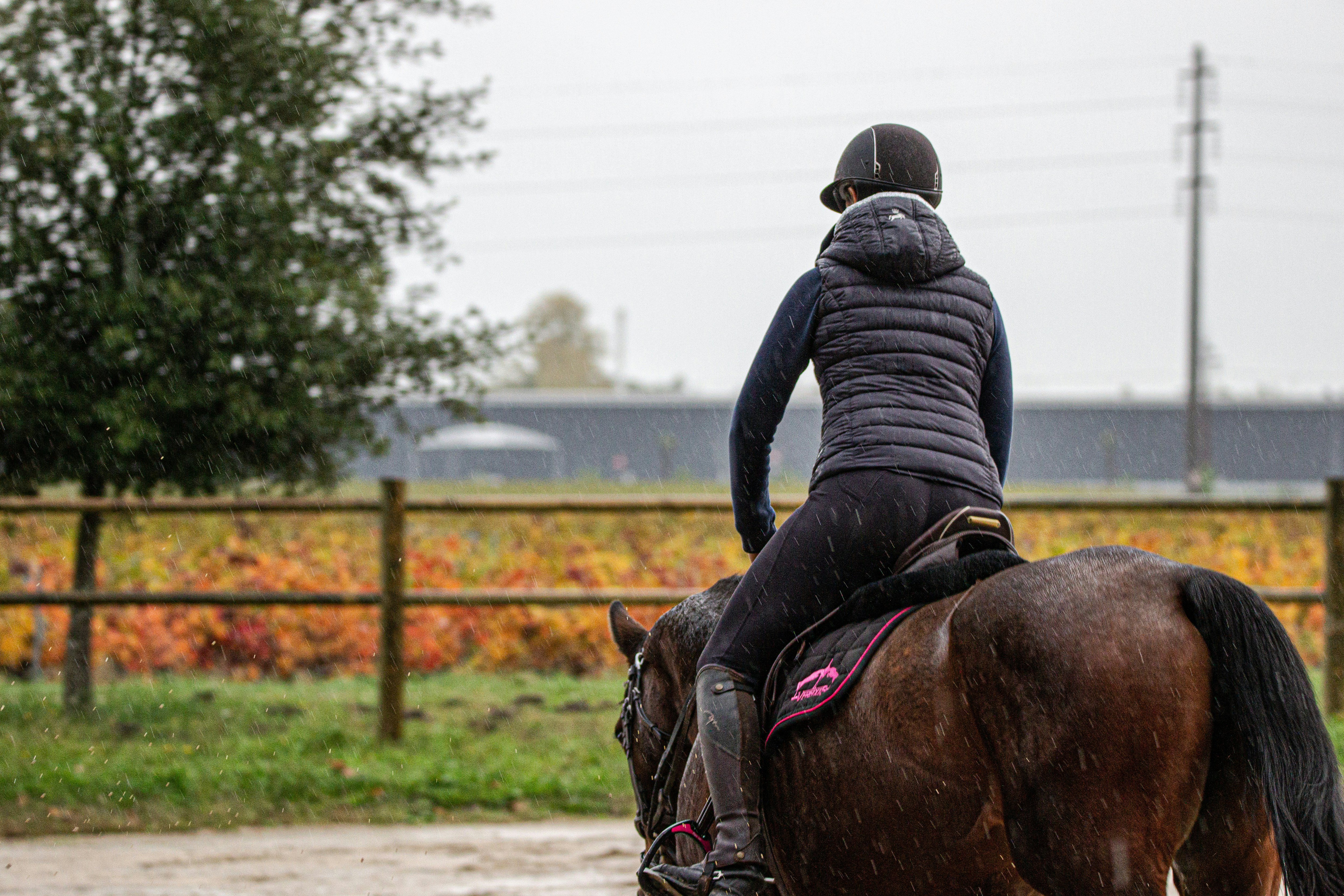
Photo by Philippe Oursel on Unsplash.
Share
A simple, visual exercise for understanding where team members stand before moving forward.

Recent Posts
What can we learn from Olympic athletes?
Leading with Stewardship: Caring for the Places We Love